Junk mail is an environmental catastrophe: 100 million trees destroyed, 51.5 million metric tons of CO2 emissions, and 28 billion gallons of water consumed, every year. 44% is thrown away without being opened, and taxpayers spend $320 million annually to dispose of it.
The Environmental Impact of Junk Mail
Every year, the junk mail industry leaves an enormous environmental footprint that most Americans never see. The average American household receives 848 pieces of junk mail annually, equivalent to 1.5 trees per household. Globally, 33% of all delivered mail is junk mail. From the forests cleared to produce paper, to the fuel burned transporting billions of mail pieces, to the energy consumed disposing of unwanted advertisements, the true cost of unsolicited mail extends far beyond your mailbox.
Perhaps most absurdly, Americans spend an estimated 8 months of their lives sorting through junk mail. That's time stolen from families, hobbies, and meaningful work, all so companies can send advertisements most people don't want.
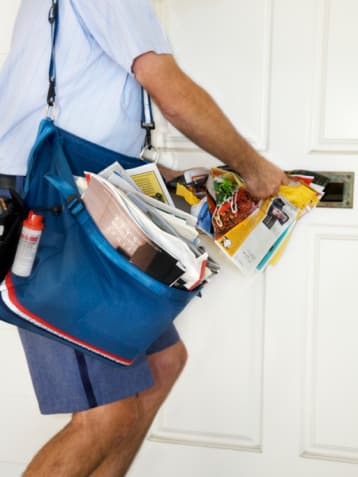
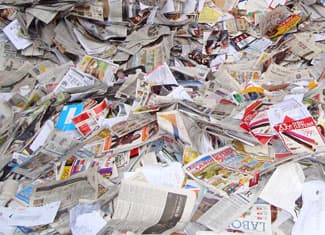
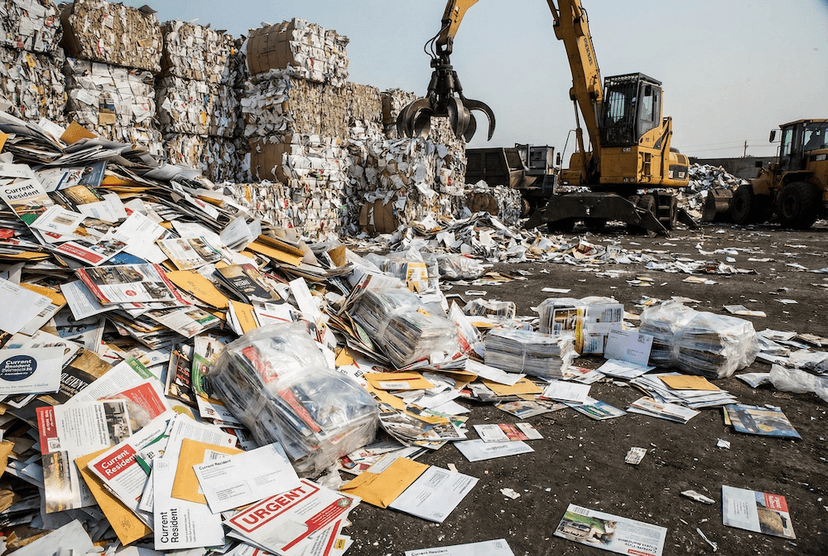
From delivery to landfill: the lifecycle of unwanted advertising mail
Trees destroyed each year to produce junk mail in the US
Source: Center for Development of Recycling
Annual greenhouse gas emissions from junk mail production and disposal
Source: VoLo Foundation
Water consumed annually in junk mail production
Source: ForestEthics
Percentage of junk mail discarded without being read
Source: EPA
Annual cost to taxpayers for disposing of junk mail
Source: Multiple municipal studies
Annual junk mail ending up in landfills
Source: EPA
Forest Destruction
The paper industry's demand for wood pulp drives significant deforestation. To produce the approximately 80-100 billion pieces of junk mail sent each year in the US:
- 80-100 million trees are harvested annually
- Old-growth and biodiverse forests are replaced with tree plantations
- Forest ecosystems that took centuries to develop are destroyed in days
- Wildlife habitat is permanently altered or eliminated
This deforestation occurs despite the fact that nearly half of all junk mail is thrown away without ever being opened.
Carbon Emissions
The junk mail lifecycle produces approximately 51.5 million metric tons of CO2 equivalent emissions annually. This comes from:
- Paper manufacturing: Energy-intensive pulping, bleaching, and processing
- Printing: Ink production, printing presses, and facility operations
- Transportation: Moving materials between suppliers, printers, post offices, and homes
- Disposal: Collection, sorting, and either landfilling or recycling
To put this in perspective, 51.5 million metric tons of CO2 is equivalent to the annual emissions of approximately 11 million passenger vehicles.
Water Consumption
Paper production is extraordinarily water-intensive. The junk mail industry consumes approximately 28 billion gallons of water annually, enough to fill over 42,000 Olympic swimming pools. This water is used for:
- Pulping and fiber processing
- Washing and bleaching paper
- Cooling manufacturing equipment
- Printing and finishing
In an era of increasing water scarcity and drought, this consumption for unwanted advertisements is difficult to justify.
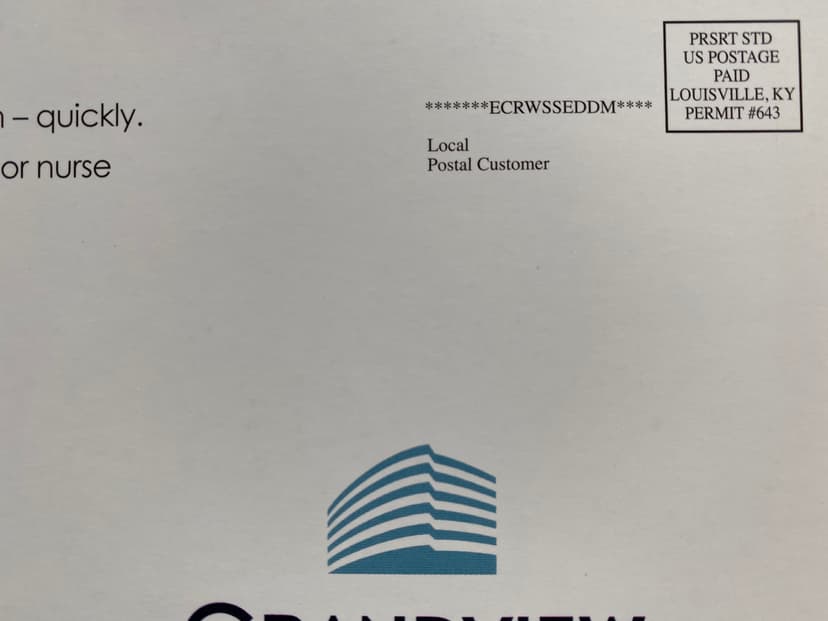
Waste Stream Impact
Despite recycling programs, junk mail creates a massive waste management burden:
- 44% is thrown away unopened, never even glanced at
- Much of the remainder is discarded after minimal review
- Municipalities spend an estimated $320 million annually on collection and processing
- Approximately 5.6 million tons still end up in landfills
The Hidden Chemical Burden
Beyond trees, water, and carbon, junk mail production involves numerous chemicals:
- Chlorine compounds for bleaching paper
- Petroleum-based inks containing volatile organic compounds (VOCs)
- Plastics in window envelopes and protective coatings
- Adhesives that complicate recycling
These materials can contaminate waterways and complicate waste processing.
Recycling Is Not the Solution
While recycling junk mail is better than landfilling it, recycling alone cannot solve the problem:
- Recycling still requires energy, water, and transportation
- Paper can only be recycled 5-7 times before fibers become too degraded
- Many junk mail pieces contain materials that cannot be recycled (plastic windows, glossy coatings)
- Recycling rates for mail remain far below 100%
The environmental hierarchy is clear: prevention beats recycling. Not creating the waste in the first place is always more effective than managing it afterward.
What Would Opt-Out Mean for the Environment?
If Americans could opt out of unwanted advertising mail, even conservative estimates suggest:
- 30-50 million fewer trees cut annually
- 25+ million metric tons less CO2 emitted
- 14+ billion gallons of water saved
- $150+ million in taxpayer disposal costs avoided
Other countries have demonstrated that opt-out systems work. Amsterdam's opt-in system reduced advertising mail volume by over 30%, with corresponding environmental benefits.
Frequently Asked Questions
How many trees are cut down for junk mail each year?
Approximately 80-100 million trees are cut down annually to produce junk mail in the United States, according to the Center for Development of Recycling. If these trees were left standing, they would absorb approximately 1.7 million tons of CO2 per year.
What is the carbon footprint of junk mail?
Junk mail production, transportation, and disposal generates approximately 51.5 million metric tons of CO2 equivalent greenhouse gases per year, equivalent to the annual emissions of about 11 million cars, according to VoLo Foundation research.
How much water does junk mail production use?
Junk mail production consumes approximately 28 billion gallons of water annually in the United States, according to ForestEthics. This water is used in paper manufacturing, pulping, and printing processes.
How much junk mail ends up in landfills?
Approximately 44% of junk mail is thrown away without ever being opened. The EPA estimates that 4 million tons of junk mail end up in landfills each year, with 60% of unsolicited mail never being recycled.
How much do taxpayers pay to dispose of junk mail?
Local governments spend approximately $320 million per year disposing of junk mail that ends up in municipal waste streams. Transporting junk mail costs an additional $550 million annually. These costs are borne by taxpayers, not the companies sending the mail.
Is recycling junk mail a solution?
Recycling helps reduce landfill waste, but it doesn't address the upstream environmental damage: trees cut, water consumed, and emissions produced in manufacturing. Additionally, junk mail inks often contain heavy metals that complicate recycling. Prevention is far more effective than recycling.
Ready to take action?
Sign the petition to demand opt-out rights for USPS advertising mail.